
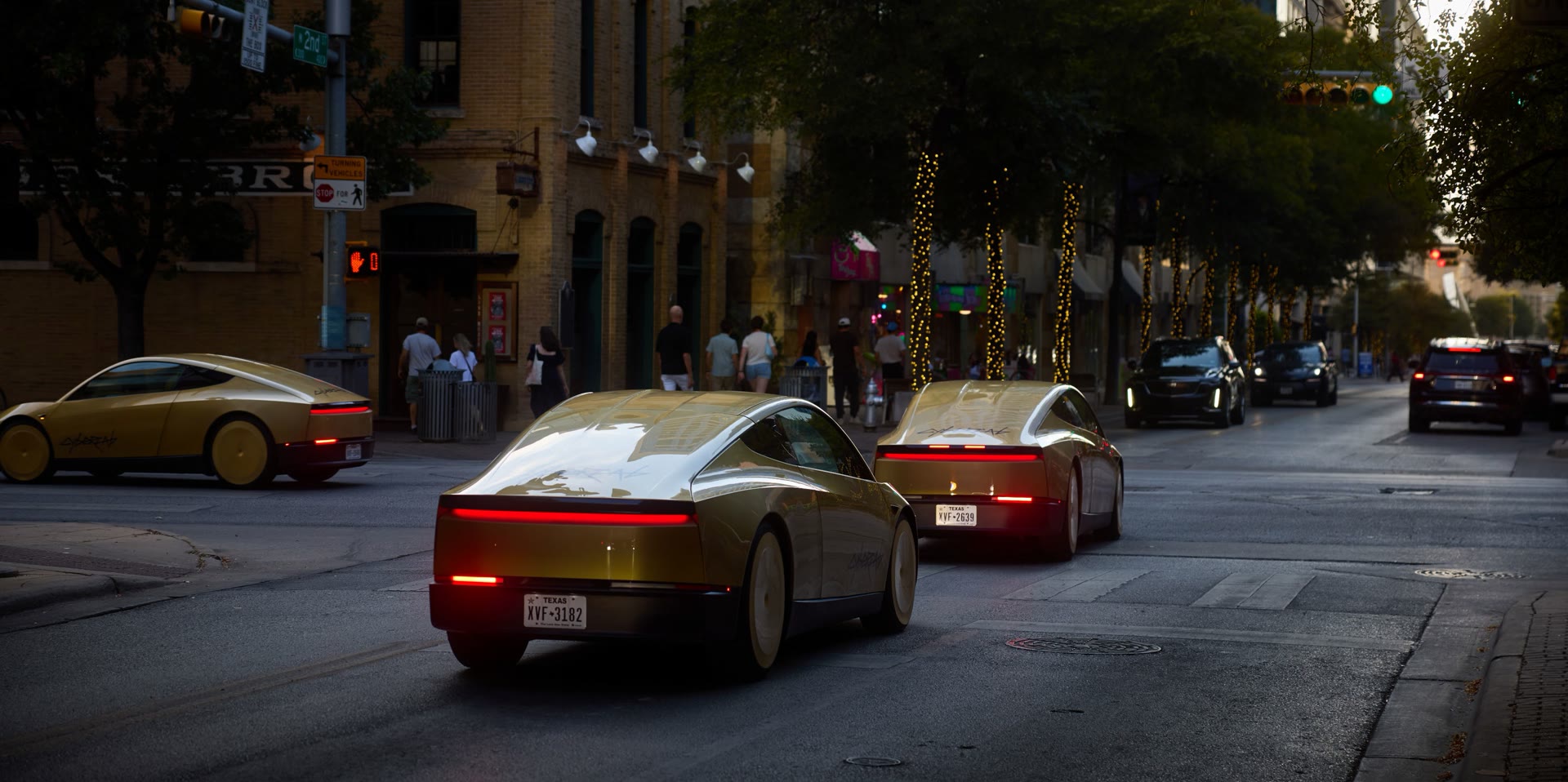
Tesla FSD V15 is the update Tesla plans to use to put the same driving software that runs its driverless Cybercabs into customer cars, and Tesla says it is aiming to let the first owner vehicles drive without supervision around the second quarter of 2027. Ashok Elluswamy, who leads Tesla’s Autopilot and AI software work, laid out that target on Tesla’s Q3 2026 webcast on October 21, along with a new AI-built map and navigation system that Tesla says will start showing up in V15.
For anyone who owns a Tesla or is shopping for one, that was the news from the call. The catch is hardware: not every Tesla can get there, and the first cars Tesla turns on will be working inside its Robotaxi network.
What Tesla said on the call
The question came from shareholders: when can we expect FSD Unsupervised in customer cars? Elluswamy started with the software. “The software for Cybercabs and Model Y is the same,” he said, “and pretty soon we’ll be able to release the same software as part of the V15 release to customers.”
Then he named what still has to happen. “The only additional requirement is to make sure that, for example, the customer Model Ys can be part of the geofences and the fleet management that Tesla has for it to be fully autonomous. We suspect somewhere around Q2 next year is when we can turn on some of the first customer vehicles to be part of the Robotaxi fleet.”
That is a target, not a promise, and it describes a small first step. Tesla isn’t planning a switch that flips on for every owner at once. It wants to bring a limited group of customer cars inside the same geofences and fleet management it already uses for its own driverless Robotaxi service.
Which cars can get it
Elluswamy used the Model Y as his example and didn’t list other models, so the hardware in your car is what to check. On Tesla’s April earnings call, Elon Musk said HW3 “simply does not have the capability to achieve unsupervised FSD,” because it has one-eighth of the memory bandwidth of the newer HW4 computer, which Tesla now calls AI4, as The Verge reported. For owners who bought FSD on HW3, Musk said Tesla would offer a discounted trade-in toward an AI4 car or an upgrade that replaces both the computer and the cameras.
Here is roughly where the line falls, based on build dates compiled by Not a Tesla App:
- Model 3: cars from 2017 through 2023 have HW3 or older. The refreshed 2024 Model 3 has AI4.
- Model Y: US-built cars from before late May 2023 generally have HW3.
- Model S and Model X: cars from before March 2023 generally have HW3.
Build dates vary by factory, so the surest check is in the car. Open Controls, then Software, then tap Additional Vehicle Information. The line for the Autopilot computer shows Hardware 3 or Hardware 4. AI4 cars are the ones in line for V15’s unsupervised path, and they already run the newest supervised build along with features like Automatic Collision Evasion.
FSD (Supervised) is $99 a month in the US and is subscription only now, according to Tesla’s support page. CFO Vaibhav Taneja said on the call that every new car Tesla delivers in North America comes with a free month of it.
How unsupervised FSD would work in a customer car
Owners who pay for FSD today get FSD (Supervised). It can handle most of a trip, but the driver has to watch the road and be ready to take over, and the car checks that you’re paying attention. Our Point to Point vs FSD comparison covers how that works now, what it costs and where it’s available.
Tesla’s driverless service is built differently, and V15 is meant to close that gap in two ways.
The same driving software. Elluswamy said Tesla trained the Cybercab mostly on data from Model 3 and Model Y cars, so the Cybercab didn’t need a huge test fleet of its own. Because the two run the same software, Tesla’s plan is for a customer Model Y on V15 to get the same driving system that already carries paying riders in Austin with nobody behind the wheel.
Geofences and fleet management. A geofence is a mapped boundary that sets where a driverless car may operate. Tesla’s Robotaxis drive only inside approved zones, and Tesla manages the fleet around them, from pickups and drop-offs to cleaning. Elluswamy’s point was that customer cars have to be wired into that same system before Tesla lets them drive themselves. So unsupervised driving in a customer car would start where the Robotaxi service already runs, under the same oversight.
Tesla didn’t say whether owners will be able to ride unsupervised on their own trips, or whether those first cars will mainly give rides inside the Robotaxi network. It also didn’t name a price.
V15 also brings Tesla’s own AI maps
One of the more useful answers for everyday drivers started with a shareholder complaint. Owners had flagged wrong speed limits, parking and odd routes as FSD’s biggest weak spots, and asked why Tesla relies on outside map providers.
Elluswamy agreed Tesla shouldn’t depend on other companies’ maps. “We are building an entirely new architecture with essentially AI-based mapping and navigation,” he said. “It’s going to be integrated with voice. You can talk to it, ask for different routes. It’s going to learn your personalized preferences plus also the fleet preferences.”
He said the change starts at the edges of a drive. “You’ll see the start and end of trips already use this technology pretty soon as part of the V15 release,” he said, and “over the next several months it’s just going to take over all of the navigation functions,” including parking and how the car handles your destination.
The start and end of a trip are where the shareholder’s complaints show up: the right entrance, a parking spot, the correct curb. Tesla’s bet is that a map built from what its whole fleet sees will handle those better than a third-party database, and that you’ll be able to ask for a different route the way you’d ask a passenger.
Where Tesla’s driverless service stands
The customer plan builds on Tesla’s own Robotaxi service. Tesla’s Q3 Update says Cybercab rides started in Austin on September 3, and that the service reached nearly two million cumulative unsupervised miles by the end of the quarter, eight times its total from the quarter before. Musk said on the call that the Cybercab fleet in Austin has grown about tenfold since launch. Our Cybercab one-month look explains why a robotaxi with no steering wheel changes the cost of a ride.
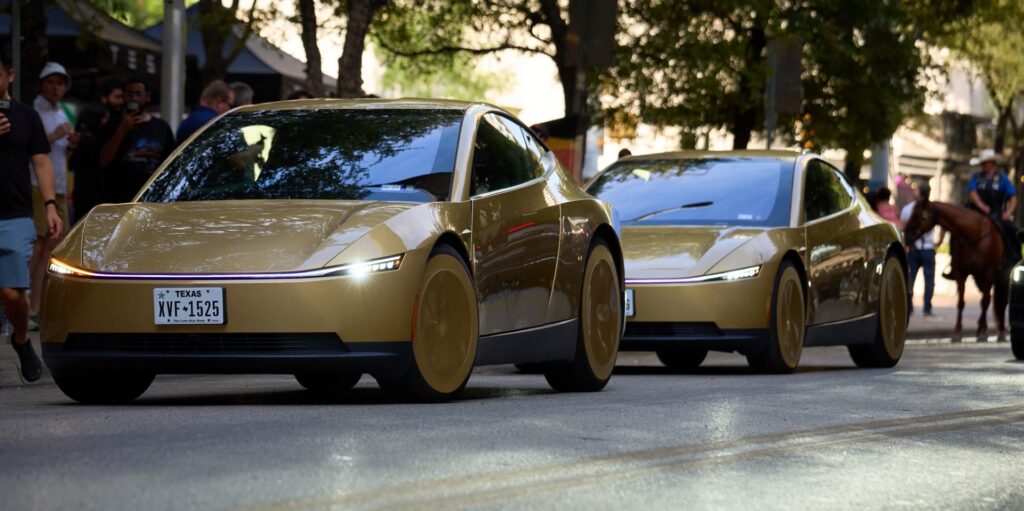
Austin’s Robotaxi hours now run from 6am to midnight, according to the Update, and Elluswamy said they will “pretty soon” stretch to 2am. He said Tesla hopes to unlock round-the-clock operation and higher-speed roads by the end of this year, and then add more weather conditions and highways. He also said Tesla runs its Robotaxi service in six cities and plans to launch the Cybercab in Dallas next month.
That matters for owners because it’s the same software. Every hour and road type Tesla adds to the Robotaxi service is ground that customer cars on V15 could cover later.
Customer Cybercabs are a smaller story than the name suggests. Lars Moravy, Tesla’s vice president of vehicle engineering, said Tesla is “trying to get Cybercabs to customers by the end of this year, 2026,” starting small. Musk added that “the vast majority of the Cybercab stuff will be essentially Tesla-owned and transport-as-a-service,” while the Model 3, Model Y and Roadster remain the cars people buy.
Tesla’s targets at a glance
| Milestone | Tesla’s target | Who said it |
|---|---|---|
| Cybercab launches in Dallas | Next month (November 2026) | Ashok Elluswamy |
| Austin Robotaxi hours extended to 2am | “Pretty soon” | Ashok Elluswamy |
| 24/7 Robotaxi operation and higher-speed roads | Hopefully by the end of 2026 | Ashok Elluswamy |
| First Cybercabs to customers | By the end of 2026, starting small | Lars Moravy |
| V15 with AI-based maps at the start and end of trips | “Pretty soon” | Ashok Elluswamy |
| EU-wide FSD (Supervised) approval | Musk “would be surprised” if it takes past Q1 2027 | Elon Musk |
| First customer cars drive unsupervised in the Robotaxi fleet | Around Q2 2027 | Ashok Elluswamy |
What it means in Europe
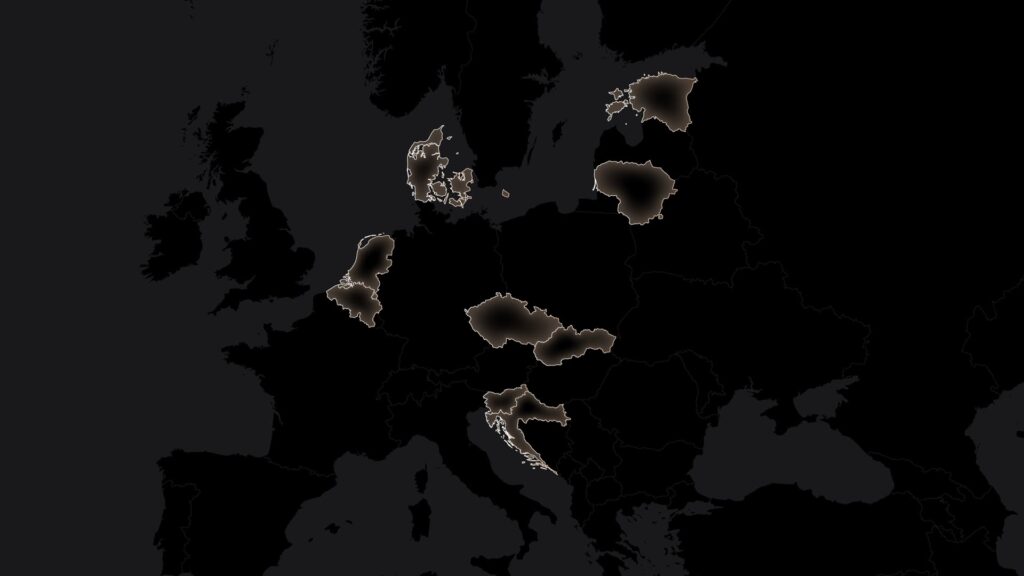
European owners are still on the supervised version, and approval is moving country by country. Tesla’s Update says FSD (Supervised) picked up four more approvals since the end of Q2, in Croatia, Slovenia, the Czech Republic and Slovakia. That brings it to nine EU countries and more than 100,000 customers who have driven over 160 million kilometers with it. In much of Europe the feature now goes by Tesla Assisted Driving.
Musk said Tesla is hoping for EU-wide approval. “It’s hard to predict, but maybe within a few months, but I would be surprised if it takes longer than Q1,” he said, adding that the timing isn’t something Tesla controls.
What to watch next
The V15 release notes come first. They should show whether the new maps arrive in the first build and which cars get it. After that, the questions are how Tesla picks the first customer cars for unsupervised driving, whether owners can use it on their own trips or only inside Robotaxi zones, and what it costs. Elluswamy’s line is the one to hold Tesla to: the software is the same, and Tesla is aiming to start turning it on in customer cars around the middle of 2027.