
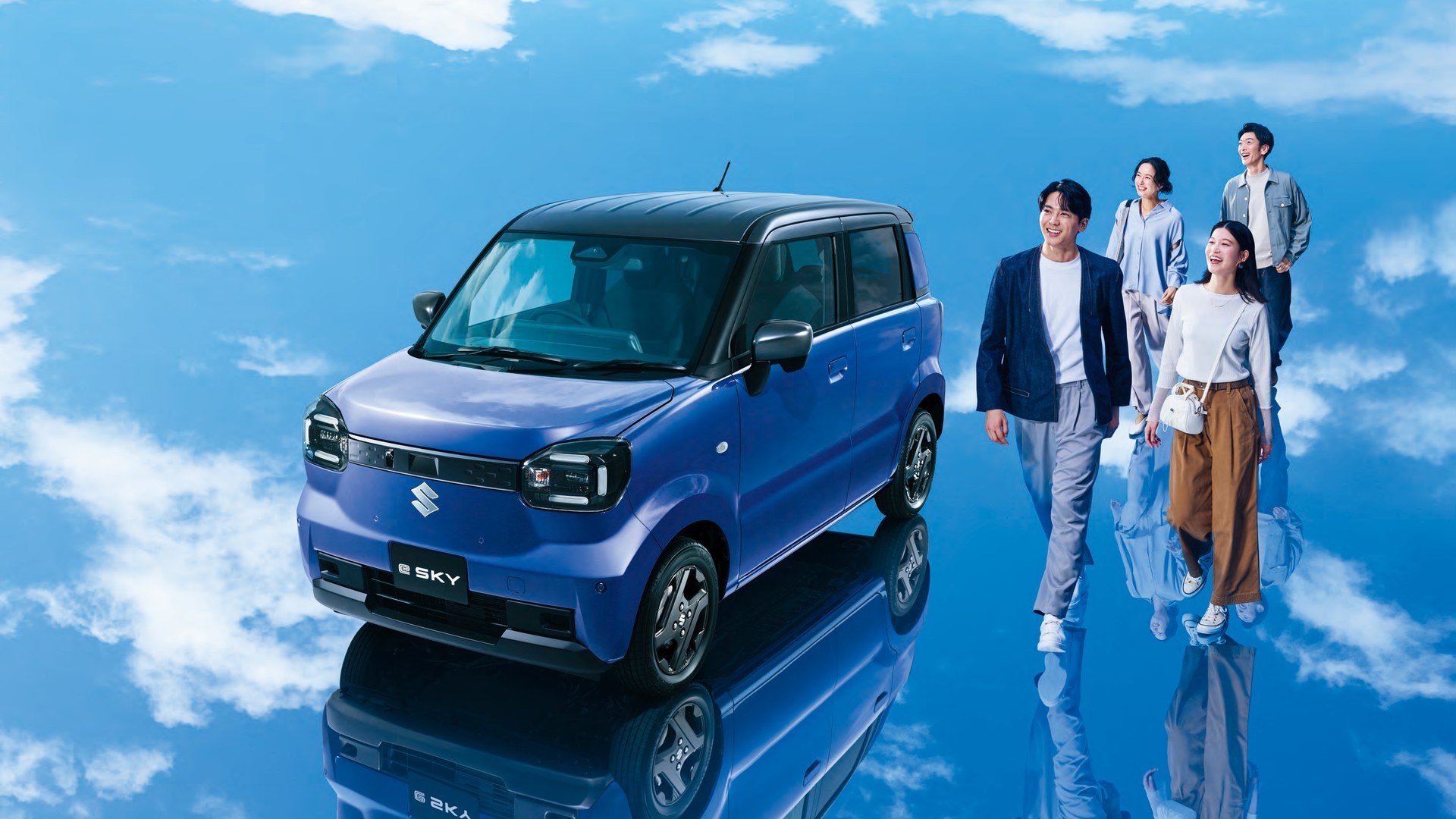
The Suzuki e SKY, the company’s first electric kei car, goes on sale in Japan on November 16 with a number that deserves attention well beyond Japan. It is rated at 97 Wh per kilometer, measured at the wall on Japan’s WLTC test, which Suzuki says is the best in the kei EV class. That efficiency lets a modest 26 kWh lithium iron phosphate (LFP) battery deliver 310 km (about 193 miles) of rated range.
Prices start at 2.12 million yen, including Japan’s 10% consumption tax. Here’s what makes the e SKY so efficient, how to read its numbers, and why it matters for anyone who wants cheaper EVs.
The e SKY at a glance
| Suzuki e SKY | A (built to order) | G | X |
|---|---|---|---|
| Price (incl. 10% tax) | 2,120,000 yen | 2,390,000 yen | 2,790,000 yen |
| Battery | 26 kWh LFP | 26 kWh LFP | 26 kWh LFP |
| Range (WLTC) | 310 km | 310 km | 310 km |
| AC consumption (WLTC) | 97 Wh/km | 97 Wh/km | 97 Wh/km |
| 50 kW quick charging | Not listed | Yes | Yes |
Every version is front-wheel drive with the same battery and the same rating, so the trims differ in equipment, not range. Suzuki targets 1,000 sales a month in Japan.
Small car, big number
To put 97 Wh/km in more familiar terms, it’s about 156 Wh per mile at the wall. Suzuki also publishes the figure for each part of the test: 73 Wh/km in city driving, 88 Wh/km on suburban roads and 113 Wh/km on the highway portion (about 117, 142 and 182 Wh per mile).
That spread tells you how the car will feel to own. Around town, where kei cars spend most of their lives, it barely sips. At highway speed, aerodynamic drag grows quickly and a tall, boxy shape pays for it, so consumption rises by about half compared with the city figure.
There’s also a useful check in the battery math. Divide 26 kWh by 310 km and you get about 84 Wh/km. That’s lower than the 97 Wh/km rating because Suzuki’s rating is taken at the wall, so it includes charging losses, while 84 Wh/km is the energy drawn from the battery itself. We walked through the same wall versus battery difference in our Cybercab efficiency explainer. And 26 kWh is the pack’s total energy, so the battery-side figure could be a little lower still.
Where the efficiency comes from
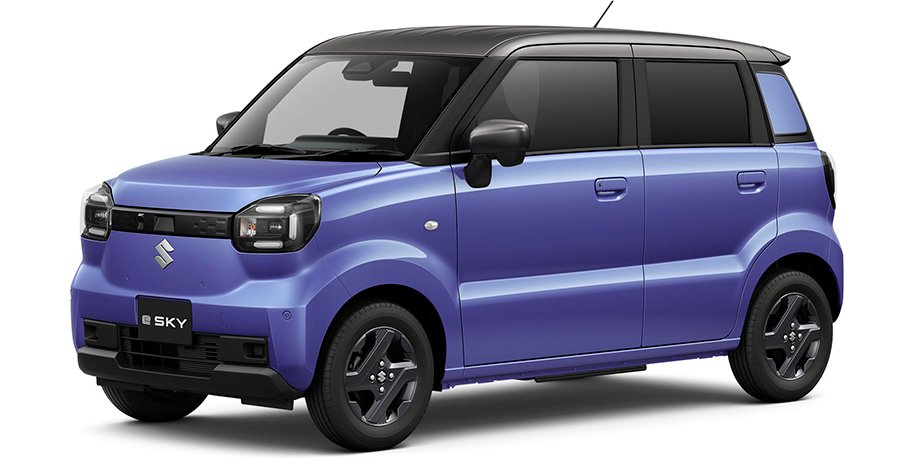
Suzuki built the e SKY around its long-standing philosophy of making things “smaller, fewer, lighter, shorter,” and you can see it in every major part.
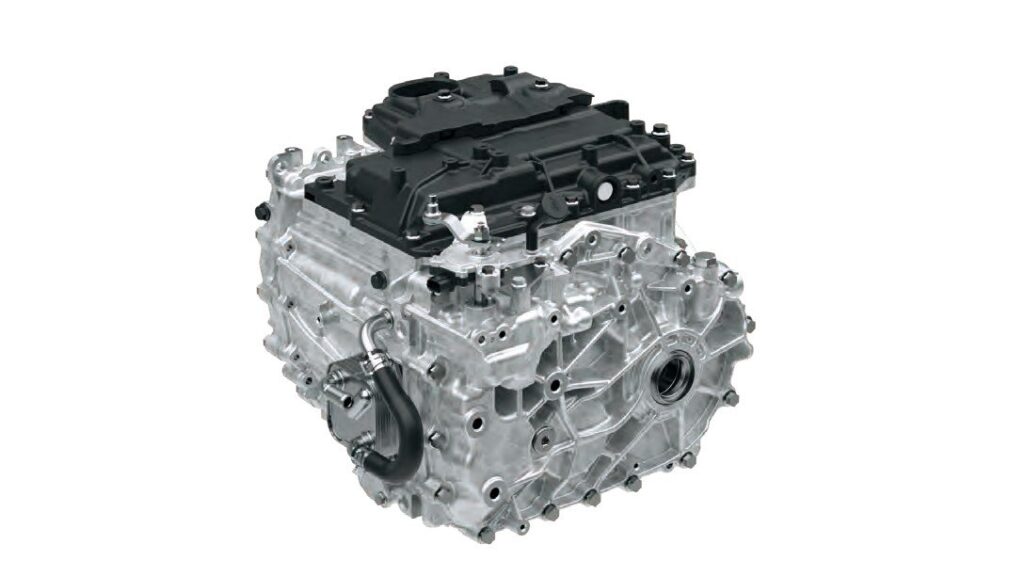
A compact 3-in-1 eAxle. Suzuki developed its own drive unit that combines the motor, inverter and reduction gear in one oil-cooled housing. It weighs about 47 kg, makes 47 kW and 133 Nm, and spins to 15,000 rpm. A small, high-revving motor can make useful power without the weight of a big one. Oil cooling keeps the motor temperature down, which Suzuki says keeps output stable and efficiency high.
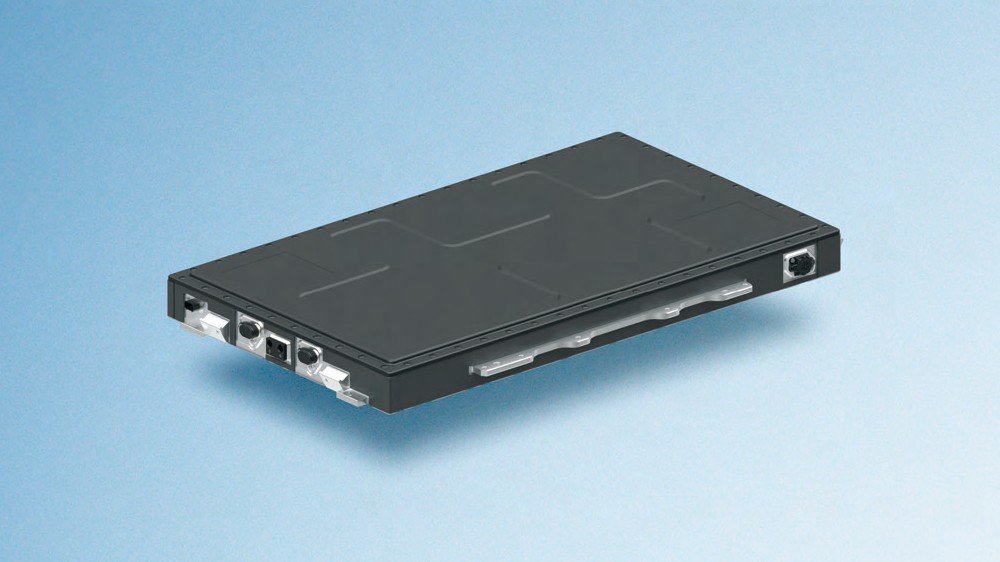
A thin, flat LFP pack. LFP cells are known for safety and long life. Suzuki chose a slim, flat pack that sits under the floor on a dedicated EV platform called HEARTECT-e, which keeps the cabin roomy and helps aerodynamics underneath the car.
Brakes that don’t waste energy. The e SKY uses blended regenerative braking, a mechanism that reduces brake drag, and an electric brake booster, a first for a Suzuki kei car. Less drag from the brakes means more of the battery’s energy goes to moving the car.
Light, small and nimble. Kei cars must stay within strict size rules (3.4 m long and 1.48 m wide), and the e SKY’s 4.4 m turning radius shows how that pays off in tight streets. Less mass and less frontal area mean less energy to accelerate and to push through the air.
How it compares
Japan’s kei EV class now has real competition. Honda’s N-ONE e: is rated for 295 km on WLTC, so the e SKY goes 15 km farther on the same test while Suzuki holds the class’s best consumption figure. That’s the efficiency advantage in practical terms: needing less energy per kilometer lets a smaller pack do the job, and a smaller pack costs less and weighs less.
Comparing across countries takes more care, because test cycles differ. Japan’s WLTC uses the low, medium and high speed phases, while Europe’s WLTP adds an extra-high speed phase that raises consumption. Even with that caveat, the e SKY makes an interesting contrast with the Lucid Air Pure, a famously efficient large sedan, which Lucid rates at 11.8 kWh per 100 km (118 Wh/km) on WLTP, as listed in our Lucid France prices story. The Air is far larger and faster, and its aerodynamics are excellent. The e SKY gets its result the other way, by being small, light and simple.
That’s the lesson for the rest of the world. Efficiency doesn’t only come from a slippery body or a huge pack. A small car with a well-designed drive unit can do more with less, and every kWh you don’t need is cost you don’t pay for.
Charging and daily use
The e SKY supports AC charging at 3 kW (about 8 hours from the low-battery warning to full) and 6 kW (about 4.5 hours). The G and X trims add 50 kW quick charging, which takes about 25 minutes from the low-battery warning to 80%. Suzuki says a 5-minute quick charge adds roughly 50 km of range.
Most customers can cover their daily lives with about one charge a week.
Suzuki, e SKY launch presentation (translated from Japanese)
Suzuki is backing the launch with its own network. It says nearly all of its dealers have AC chargers, more than 900 locations, and that dealer quick chargers will grow to about 250 locations by the end of 2026. Owners also get access to a Suzuki charging service.
Why it matters beyond Japan
Kei cars make up a large share of new cars sold in Japan, and most of them spend their days on short local trips. That’s exactly the job a small EV does best. With a starting price of 2.12 million yen and 310 km of rated range, Suzuki is making the case that an EV can be the easy, sensible choice, which is the point of its “Easy to Switch” product concept.
Suzuki has only announced the e SKY for Japan so far. But the engineering applies anywhere small cars are popular, from European city streets to fast-growing markets in Asia. Small batteries, efficient drive units and honest everyday range could help EVs reach the next wave of buyers, and the e SKY is a good example of how that might look.