
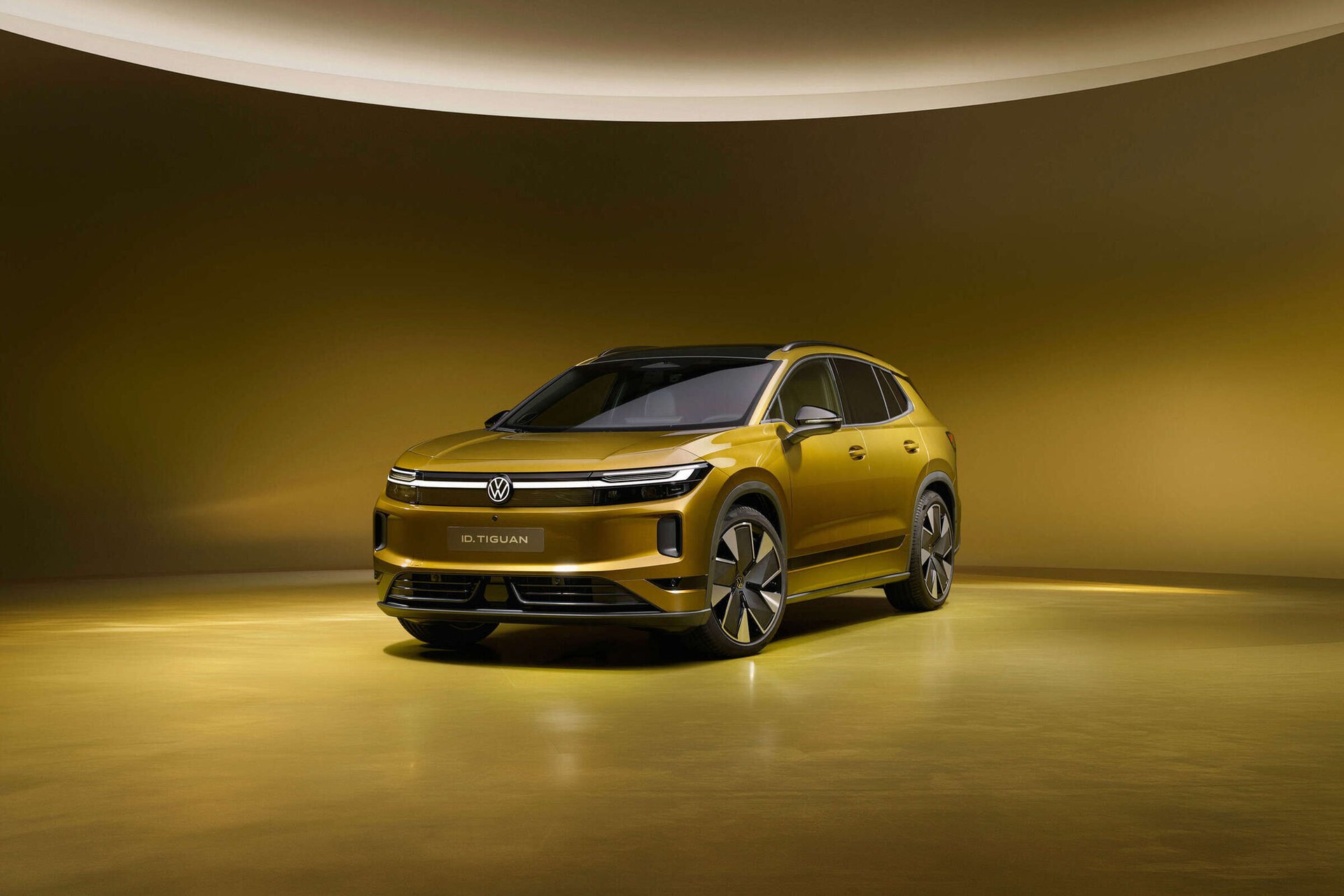
The Volkswagen ID. Tiguan made its world premiere on Friday, October 9, as the electric successor to both the ID.4 and the ID.5. It puts one of Volkswagen’s bestselling nameplates on the MEB+ platform with up to 600 km (about 373 miles) of WLTP range, and pre-sales open in Germany and many other European countries on October 13 at prices from €42,695.
One SUV instead of two
Volkswagen has built more than 950,000 ID.4 and ID.5 models, and the ID. Tiguan folds both into a single car with the most recognizable name in the lineup. Volkswagen calls the Tiguan a bestseller, and the electric version arrives at the beginning of 2027. It doesn’t replace the combustion Tiguan. The petrol, diesel, and hybrid Tiguan stays on sale alongside it, built in Wolfsburg, while the ID. Tiguan comes from Volkswagen’s plant in Emden.
That is a smart move. Instead of asking Tiguan buyers to learn a new name, Volkswagen puts the electric option right next to the car they already know.
Batteries, power, and range
The ID. Tiguan comes in three versions:
– Rear-wheel drive, 140 kW (190 PS), 58 kWh battery – Rear-wheel drive, 210 kW (286 PS), 77 kWh battery – 4MOTION all-wheel drive, 220 kW (299 PS), 77 kWh battery
Range depends on the battery and power level, topping out at 600 km on the WLTP cycle. Volkswagen lists combined consumption of 15.7 to 17.2 kWh per 100 km for the 220 kW all-wheel-drive version. Towing is a real strength here: up to 1,800 kg with the 58 kWh battery and up to 2,000 kg (roughly 4,400 pounds) with the 77 kWh pack.
A sharper design
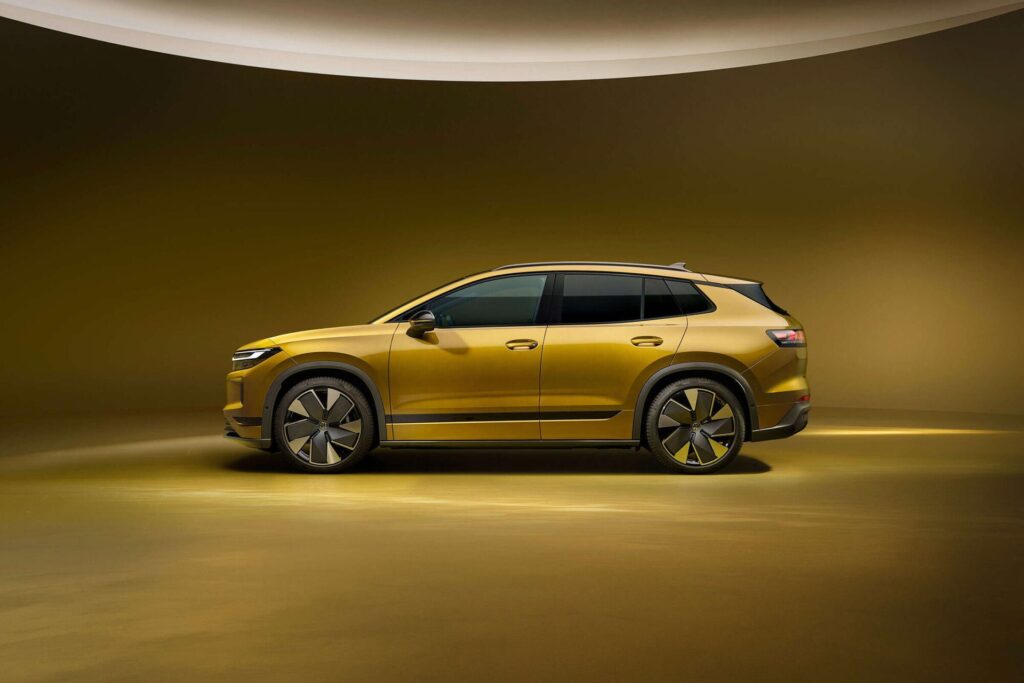
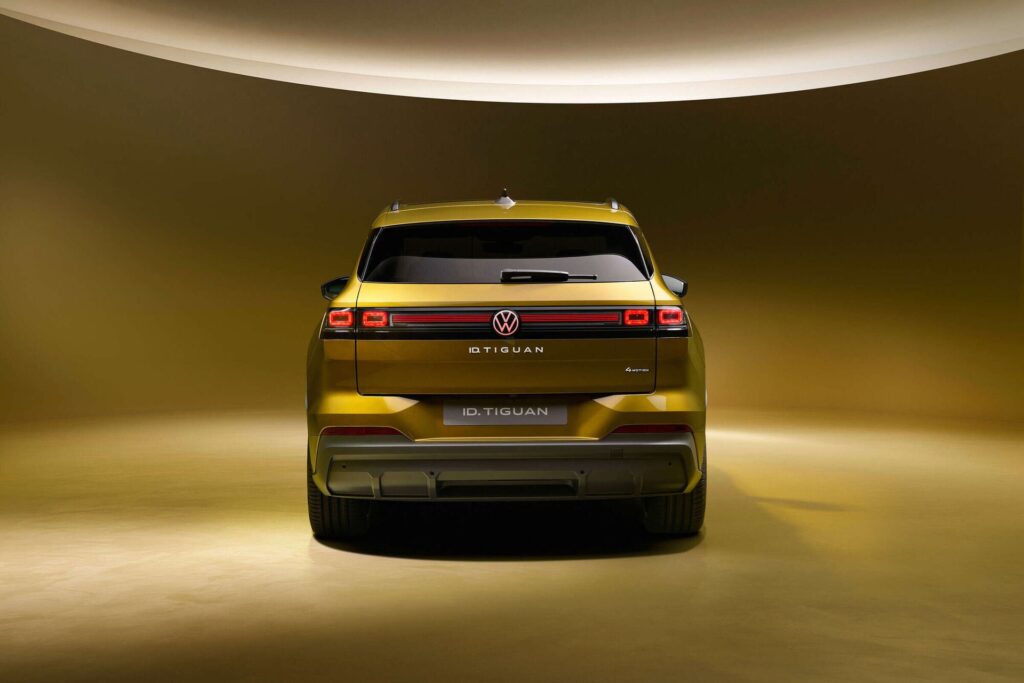
The softer crossover look of the ID.4 and ID.5 is gone. Volkswagen’s new Pure Positive design language gives the ID. Tiguan precise lines, tightly sculpted surfaces, and a more upright SUV stance, and the company says it looks like a car from the class above. Classic pull-style door handles also make a comeback.
Physical buttons, a passenger screen, and Golf IV gauges
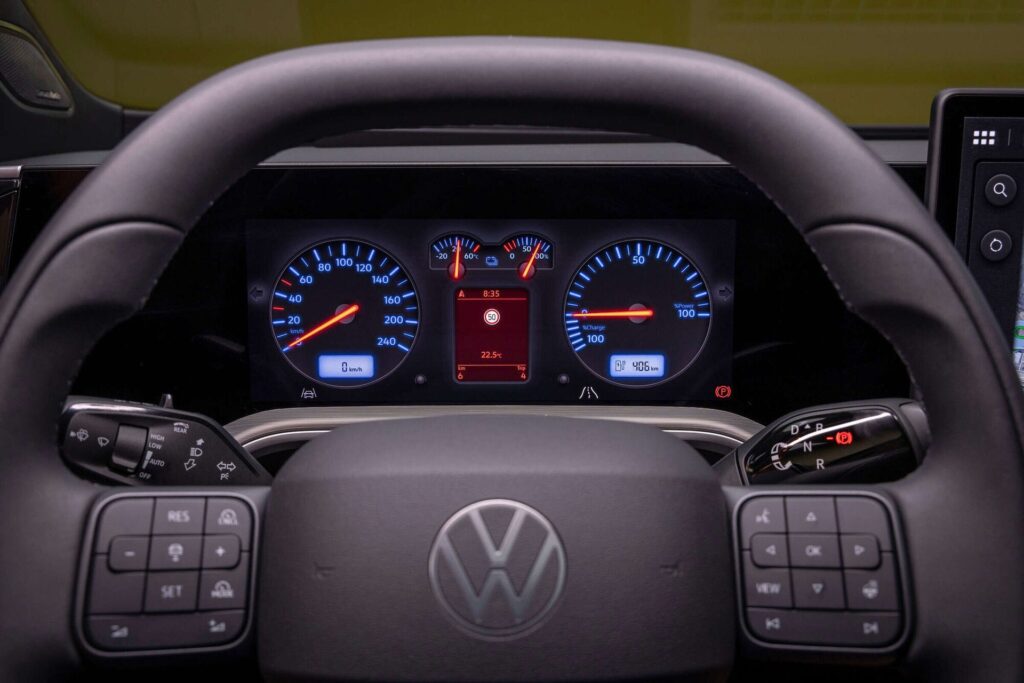
The cabin is where Volkswagen clearly listened to owners. Climate basics now live on a button bar in the center console, the steering wheel has physical buttons instead of touch controls, and volume and track changes run through a controller in the console. The screens are new too: a 10-inch digital cockpit, a 15-inch central infotainment display, and an optional 12-inch co-driver display, the first time a European Volkswagen has offered one. A privacy mode hides the passenger screen from the driver, and the passenger can listen through paired Bluetooth headphones.
The fun part is the new Retro display. Press the View button on the steering wheel and the digital cockpit switches to the blue and red gauges from a Golf IV, with the right-hand dial showing power flow instead of engine speed. The center screen gets its own retro view with a virtual garage of six classics: Golf I, Golf II Country, Golf IV, Tiguan I, Race Touareg, and Beetle.
Space and everyday features
There is room for five, a 32-liter frunk, and up to 534 liters of luggage space. One-pedal driving is standard. Optional Connected Travel Assist can handle assisted lane changes on motorways and bring the car to a stop at red traffic lights. The options list also includes massage and ventilated front seats, a 480-watt Harman Kardon sound system, a panoramic sunroof, two Qi2 wireless charging pads, a shareable Digital Key, and a PowerSocket adapter that plugs into the charge port to run anything from an electric grill to an e-bike charger. Trim levels are Trend, Life, Style, and R-Line.
Where it will be sold
The launch is focused on Europe, with Germany leading the pre-sales. The ID.4 it replaces has also been built in Chattanooga, Tennessee, but Volkswagen hasn’t announced plans for the ID. Tiguan outside Europe yet.
The ID.4 was a solid seller, but it never felt like a Tiguan. With a familiar name, real buttons, and up to 600 km of range, the ID. Tiguan finally gives the Tiguan name an electric version that looks and feels like one.