
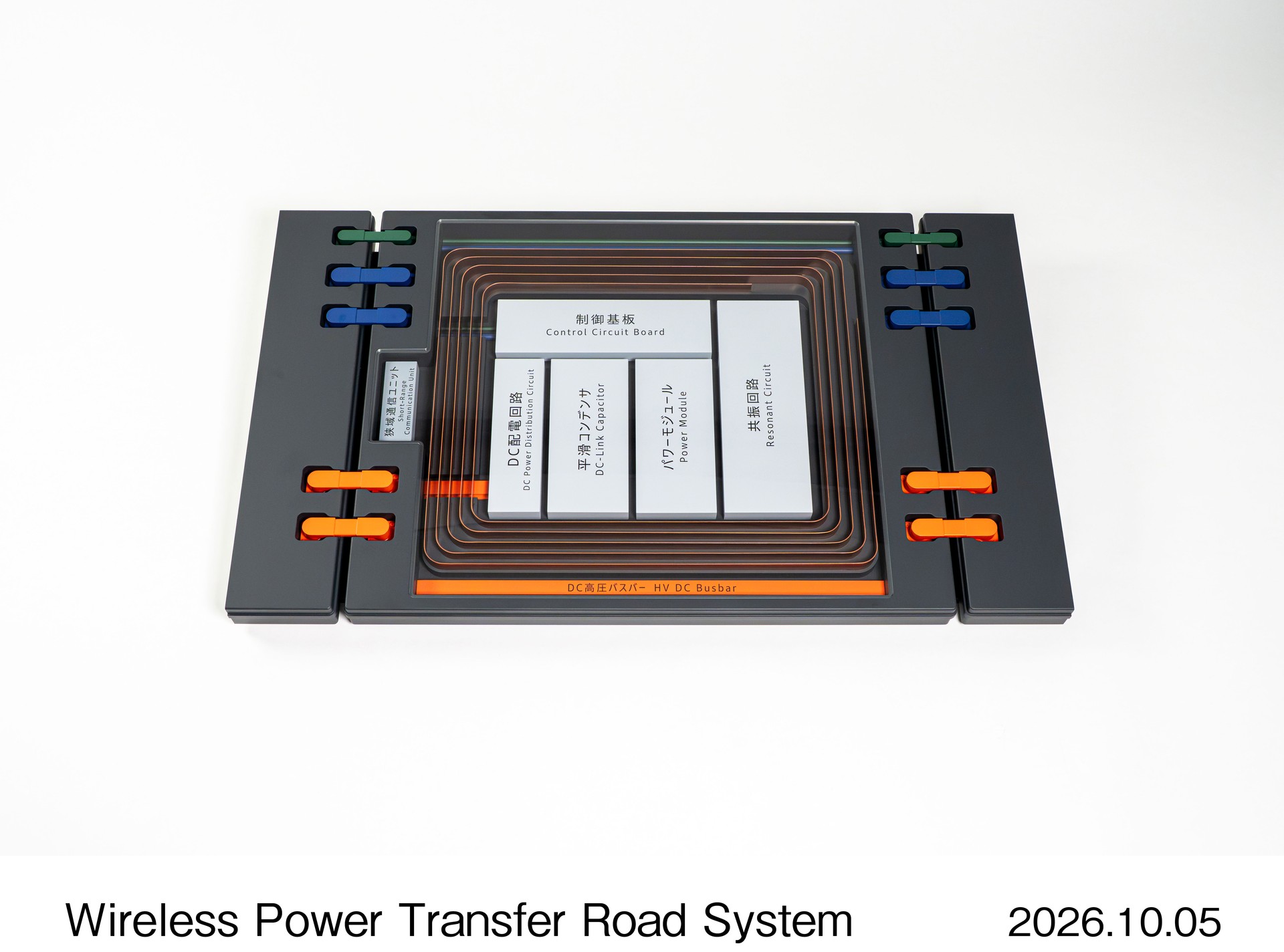
Honda R&D, Taisei Corporation, and Taisei Rotec say they have developed the underlaying technology for a magnetic coupling wireless power transfer road system that can charge electric vehicles while they drive. The October 5, 2026 Honda Global release dates public-road demonstration testing to Japan’s 2027 fiscal year, which starts April 1, 2027.
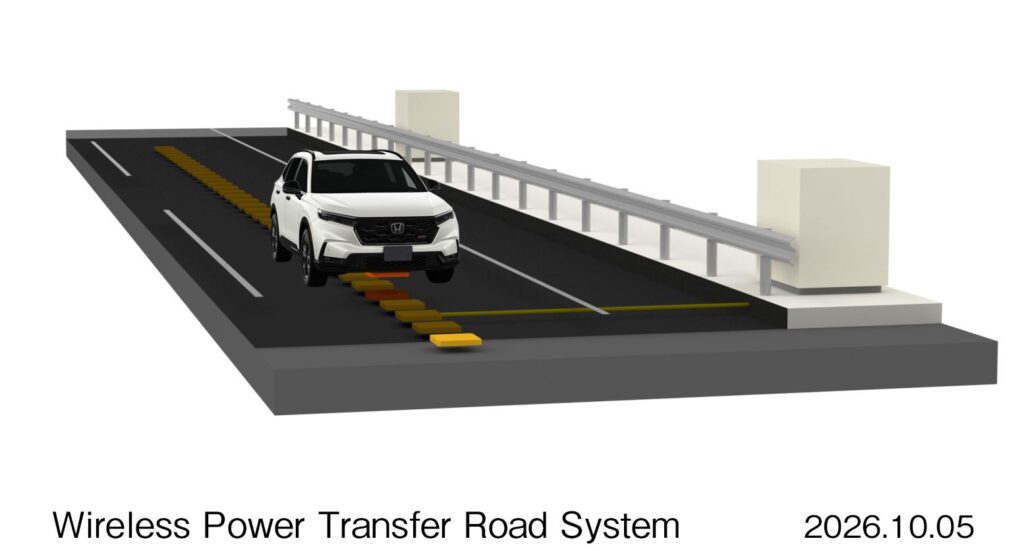
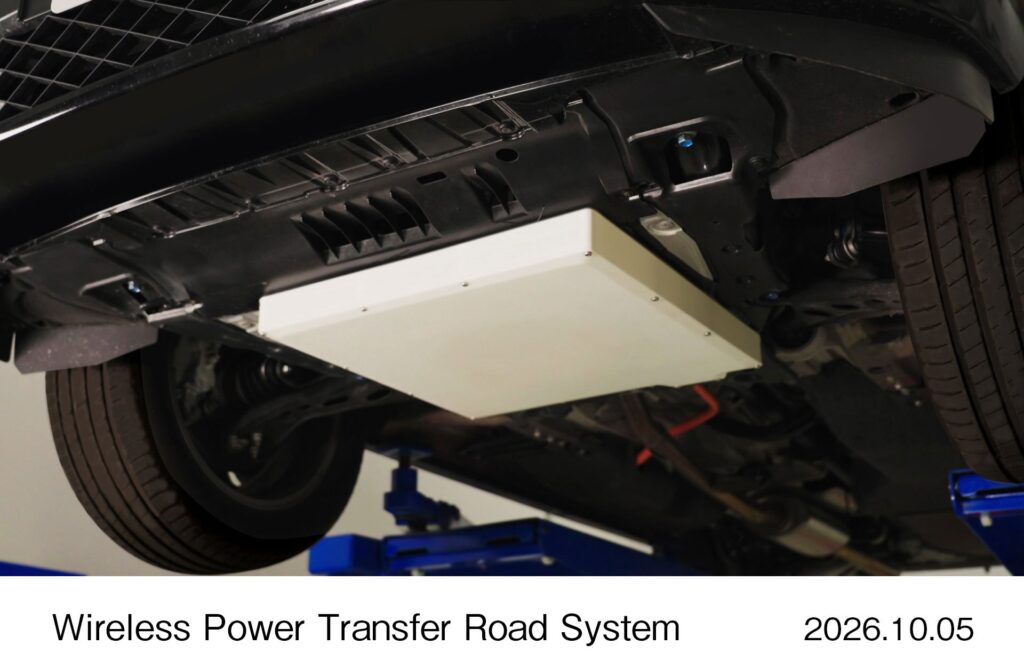
The idea is dynamic wireless power transfer, or DWPT. Transmitter units sit in the pavement. A receiver unit rides on the vehicle. Honda has worked on that concept since 2021. The three companies began joint work on this road system in 2025, and they are now calling the hardware and pavement methods ready enough to push toward public-road trials.
Honda frames the first practical use case in logistics and transportation, not as a near-term consumer highway product in every market. The same release says the system is meant to stretch from passenger EVs to large commercial EVs.
What each partner builds
The ground side starts with a DC power supply. Taisei owns that piece. Honda R&D owns the DC distribution-based ground assembly that embeds transmitter units in the road, and the vehicle assembly that receives power. Taisei Rotec owns pavement structures and construction methods for burying the gear. All three share durability testing, upgrade methods, and DC distribution and WPT validation.
Honda says the ground assembly integrates the inverter and coil inside each transmitter unit, then feeds those units over a DC distribution network. The company calls that integrated DWPT unit a world first among systems publicly disclosed as of the end of September 2026, based on Honda’s own research. The pitch for DC distribution is simpler buried wiring, fewer parts, and less installation work, including milling into existing pavement rather than waiting for a full rebuild.
What Satte already proved, and what comes next
Validation so far ran on a test roadway at Taisei’s Future Technology Field in Satte. Honda says the partners checked WPT hardware, pavement structures, and construction methods aimed at public-road demos with large commercial vehicles. One design target was pavement and transmitter strength for traffic including vehicles around 20 tons gross weight.
Starting in late 2026, they plan a second test drive roadway at Taisei’s Tamura field. That track is set up for long-term durability with a loading test equivalent to one million wheel loads at 49 kN per wheel, plus DWPT performance tests and checks on electromagnetic field leakage.
Only after that phase does Honda describe verifying high power output of up to 150 kW for large commercial vehicles, and checking that wireless transfer stays reliable at high speeds. Those are next-step targets in the release, not results Honda is publishing today.
The three companies also plan to join the Tateyama Project, a NEXCO East demonstration of DWPT on the Tateyama Expressway in Chiba, from the same Japanese FY2027 window. Honda says it will show related DWPT work at Japan Mobility Show Bizweek in Chiba on October 13-16, 2026, and at the ITS World Congress in Gangneung, South Korea, on October 19-23, 2026.
For drivers, this is still infrastructure R&D. Honda already runs Honda Charge as a Japan EV charging network service. Wireless roads would sit further out, aimed first at fleets that want fewer depot stops. European drivers shopping for a paid public fast-charging discount today are in a different product category; Polestar’s current Plus and Pro tiers are covered in our Polestar Charge plans post.