
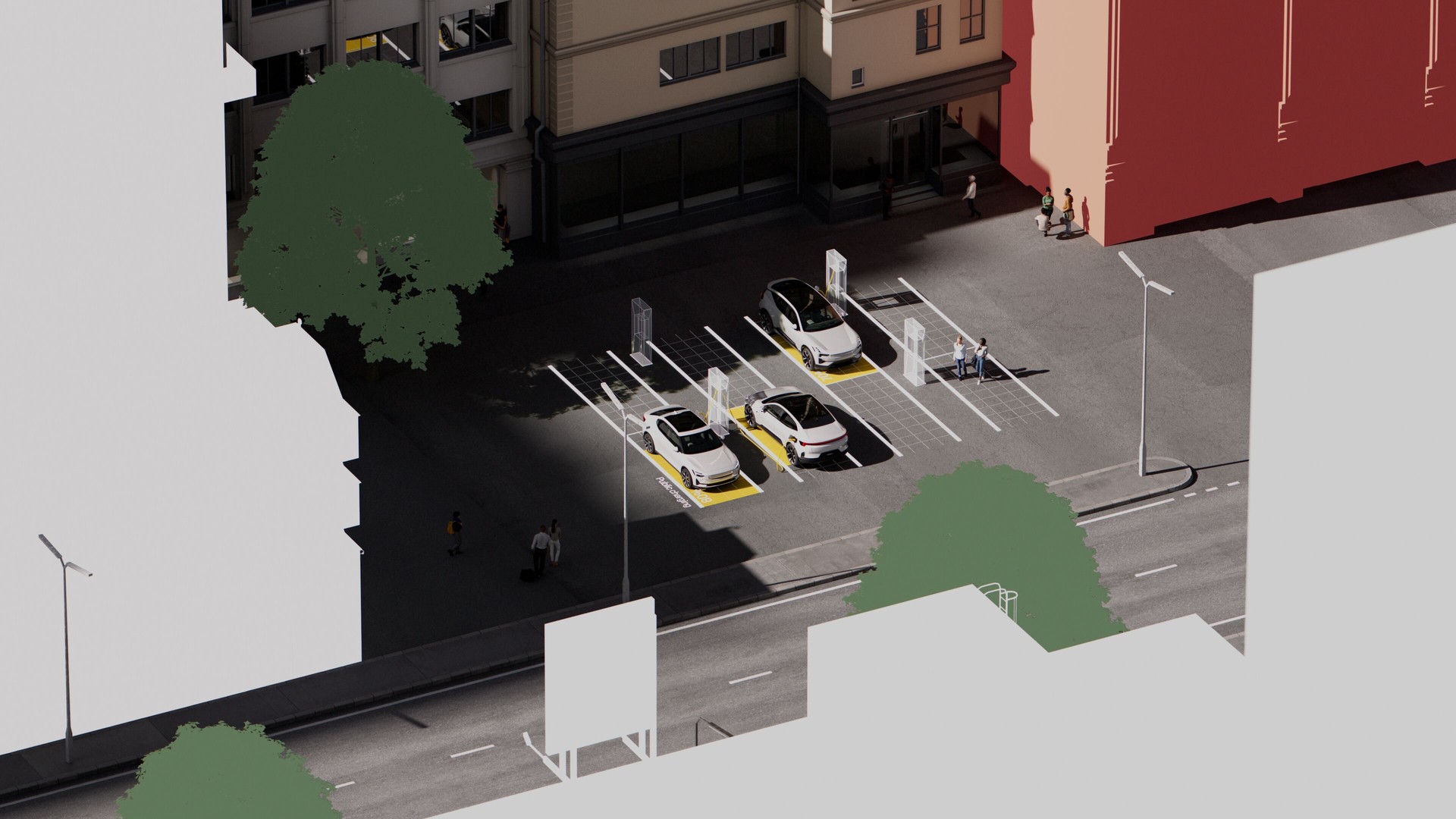
Fast Charge California Window 2 just reopened the state’s big check for public DC fast chargers. The CALeVIP FCCP-2 program, run by the Center for Sustainable Energy for the California Energy Commission, began accepting applications October 7, 2026 at 9:00 a.m. PT. The window stays open through January 14, 2027 at 5:00 p.m. PT, with at least $27.6 million available statewide for ready-to-build sites.
If you already hold an issued permit and a final utility service design, this is the queue that pays per port.
What it pays per port
Incentives can cover up to 100% of total approved costs (equipment, installation, planning, engineering, and related eligible line items), capped at the per-port amounts below:
- 150 kW to 274.99 kW guaranteed output: $55,000 per charging port
- 275 kW and up: $100,000 per charging port
Only ports that can deliver at least 150 kW count. Sites need a minimum of four funded ports and can receive incentives for up to 20 ports. At least 50% of connectors at the site must be CCS for the application to qualify.
Ready-to-build, first-come
Funding is first-come, first-served for applications that are truly ready to build. That means both:
- Issued permit(s) from the authority having jurisdiction, and
- Final utility service design, or an official utility letter saying no new or upgraded service is required
Incomplete permit or utility packages are not ready-to-build and are ineligible for this window. Ready-to-build applications from disadvantaged communities, low-income communities, and tribal lands jump ahead in the funding queue even though DAC/LIC status is not required to apply.
The applicant must be the same entity that receives the incentive and owns the charging equipment. California businesses, nonprofits, government entities, and listed California Native American tribes (or California-based affiliates, for the first three) can apply as authorized site representatives. Public access is required. CALeVIP’s Window 2 page also notes that charging hubs, hotels, and business districts are no longer eligible site types.
One more developer rule that bites: FCCP-2 generally cannot be stacked with other EVSE rebate programs (including NEVI and most utility or air-district charger incentives). Read the stacking chapter in the Implementation Manual before you dual-file.
How to apply
Start on the Fast Charge California Window 2 page, then use the How to Apply guide and the Implementation Manual in the Document Library. CSE offers application assistance before you upload; once a document is saved to the portal, you cannot edit it. Funds reserved applicants get 450 days to finish installation and paperwork.
A later Window 3 is already listed for February 24 through May 27, 2027, with a lower $55,000 per-port cap. Confirm dates on CALeVIP’s upcoming rebates page before you plan around it.
For drivers watching the same state push
This window is for site hosts and charging developers, not for the purchase rebate. California buyers shopping a first ZEV should stay on today’s live MyFirstEV guide ($3,500 new / $1,750 used at the dealer, with Tesla’s allocation already closed). More public DCFC capacity and a point-of-sale ZEV credit are two sides of the same October policy stack.
How much does Fast Charge California pay per port?
$55,000 for each port with 150 kW to 274.99 kW guaranteed output, and $100,000 for each port at 275 kW and up, covering up to 100% of total approved costs within those caps. Sites need at least four funded ports and can incent up to 20.
When is Fast Charge California Window 2 open?
Applications opened October 7, 2026 at 9:00 a.m. PT and close January 14, 2027 at 5:00 p.m. PT. At least $27.6 million is available statewide for this window.
What counts as ready-to-build for Fast Charge California?
You need both an issued permit from the authority having jurisdiction and a final utility service design (or an official utility letter saying no new or upgraded service is required). Incomplete packages are ineligible for Window 2 funding.
Do DAC, LIC, or tribal sites get priority?
Yes. Ready-to-build applications where all funded ports are in disadvantaged communities, low-income communities, or on tribal lands move ahead in the funding queue. DAC/LIC status is not required to apply.
Apply while the Window 2 portal is open if your permit and utility design are already in hand. The $100,000 tier only helps projects that can actually clear ready-to-build on day one.
